Reliable and Durable Commercial Roofing Options for Businesses
Choosing the right roofing system is critical for any business. A roof protects your property, employees, and assets from weather and environmental damage. It also impacts energy efficiency and maintenance costs. I want to share practical information about reliable and durable commercial roofing options that suit various business needs. This guide will help you make informed decisions about your roofing investments.
Durable Commercial Roofing Options for Business Properties
When selecting a roofing system, durability is a top priority. A durable roof withstands harsh weather, resists wear and tear, and requires less frequent repairs. Here are some of the most durable commercial roofing options available:
1. Single-Ply Membrane Roofing
Single-ply membranes are popular for flat or low-slope commercial roofs. They come in materials like TPO (Thermoplastic Olefin), EPDM (Ethylene Propylene Diene Monomer), and PVC (Polyvinyl Chloride). These membranes are lightweight, flexible, and resistant to UV rays and chemicals.
TPO is energy-efficient and reflects sunlight, reducing cooling costs.
EPDM is known for its excellent weather resistance and longevity.
PVC offers strong resistance to fire and chemicals.
Single-ply membranes are easy to install and maintain, making them a cost-effective choice for many businesses.
2. Built-Up Roofing (BUR)
Built-up roofing consists of multiple layers of bitumen and reinforcing fabrics. It creates a thick, durable surface that protects against water and UV damage. BUR is ideal for flat roofs and offers excellent waterproofing.
It has a long lifespan, often lasting 20 years or more.
The multiple layers provide strong protection against leaks.
It can handle foot traffic and mechanical equipment on the roof.
BUR requires professional installation and periodic inspections to maintain its integrity.
3. Metal Roofing
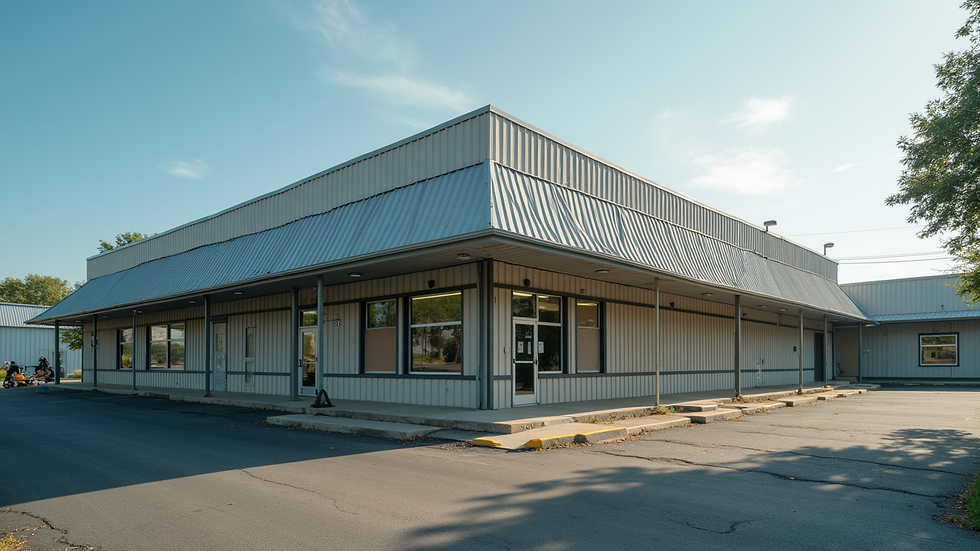
Metal roofs are highly durable and suitable for a variety of commercial buildings. They come in materials such as steel, aluminium, and copper. Metal roofing offers several advantages:
It resists fire, wind, and impact damage.
Metal roofs reflect solar heat, improving energy efficiency.
They have a long lifespan, often exceeding 40 years.
Metal roofing requires minimal maintenance and can be installed over existing roofs, reducing downtime.
4. Modified Bitumen Roofing
Modified bitumen is an evolution of built-up roofing. It combines asphalt with modifiers to improve flexibility and durability. This roofing type is applied in sheets and can be installed using heat or adhesives.
It performs well in extreme temperatures.
It offers strong resistance to water and UV rays.
It is suitable for flat or low-slope roofs.
Modified bitumen roofing is a reliable option for businesses looking for a tough, weather-resistant roof.
What is the 25% Rule for Roofing?
The 25% rule is a guideline used in roofing repairs and replacements. It states that if more than 25% of a roof’s surface is damaged or requires repair, it is often more cost-effective to replace the entire roof rather than patching it.
This rule helps businesses avoid ongoing repair costs and potential leaks. Here’s why it matters:
Cost Efficiency: Repairing small sections is cheaper, but frequent repairs add up.
Roof Integrity: Large damaged areas can compromise the roof’s overall strength.
Insurance Compliance: Some insurers require full replacement if damage exceeds 25%.
Understanding this rule helps in planning roofing budgets and maintenance schedules.
Factors to Consider When Choosing a Commercial Roof
Selecting the right roofing system depends on several factors. I recommend evaluating these before making a decision:
Roof Slope and Design
Flat roofs often use single-ply membranes, BUR, or modified bitumen.
Sloped roofs may benefit from metal roofing or other materials designed for drainage.
Climate and Weather Conditions
In areas with heavy rain or snow, waterproofing and durability are critical.
Reflective roofing materials help reduce cooling costs in sunny regions.
Budget and Lifespan
Consider initial installation costs and long-term maintenance expenses.
Durable roofs may have higher upfront costs but save money over time.
Building Usage and Load
Roofs supporting heavy equipment or foot traffic need stronger materials.
Some roofing systems allow for easy installation of HVAC units or solar panels.
Environmental Impact
Some roofing materials are recyclable or have energy-saving properties.
Green roofing options can improve insulation and reduce urban heat.
Maintenance Tips for Long-Lasting Commercial Roofs
Proper maintenance extends the life of any roofing system. Here are practical tips to keep your roof in good condition:
Regular Inspections: Schedule inspections at least twice a year and after severe weather.
Clean Debris: Remove leaves, dirt, and other debris that can trap moisture.
Check Drainage: Ensure gutters and drains are clear to prevent water pooling.
Repair Promptly: Address small leaks or damage immediately to avoid bigger problems.
Professional Services: Use experienced contractors for repairs and maintenance.
Investing in routine maintenance reduces the risk of costly repairs and extends roof lifespan.
Why Choose Professional Commercial Roofing Services?
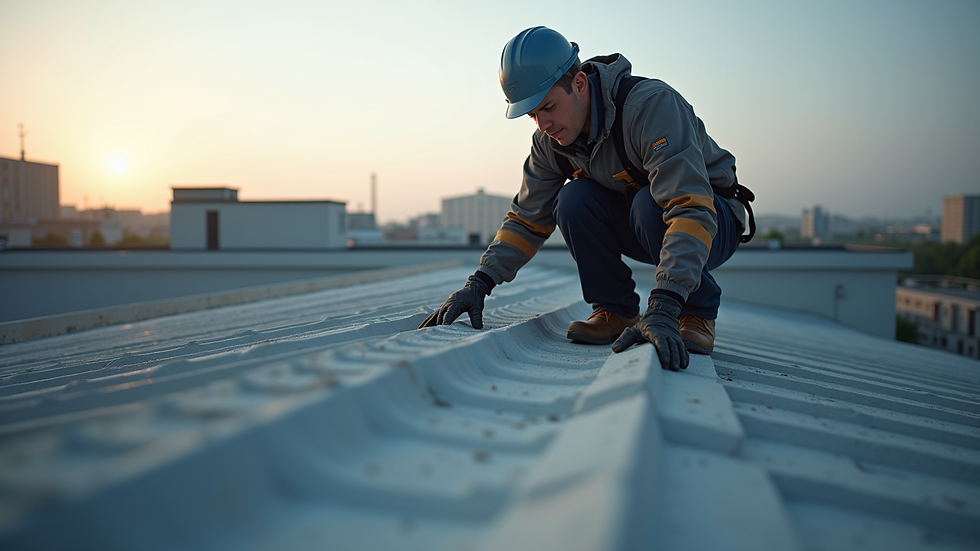
Hiring professional commercial roofing services ensures quality workmanship and reliable results. Experts understand the specific needs of business properties and can recommend the best roofing solutions.
They use high-quality materials suited to your building and climate.
Professionals follow safety standards and building codes.
They provide warranties and ongoing support.
Experienced contractors can identify potential issues early.
Choosing trusted professionals helps protect your investment and ensures your roof performs well for years.
Planning Your Commercial Roofing Project
Before starting a roofing project, plan carefully to avoid delays and unexpected costs:
Assess Your Needs: Determine the roof type, size, and any special requirements.
Get Multiple Quotes: Compare prices and services from different contractors.
Check References: Review past projects and customer feedback.
Schedule Work: Plan installation or repairs during favourable weather.
Prepare Your Building: Inform staff and secure the area for safety.
Good planning leads to a smooth roofing project and a durable, reliable roof.
Choosing the right roofing system is essential for protecting your business property. Durable commercial roofing options like single-ply membranes, built-up roofing, metal roofing, and modified bitumen offer long-lasting protection. Understanding rules like the 25% rule helps in making cost-effective decisions. Regular maintenance and professional services ensure your roof remains in top condition. With careful planning, you can secure a roofing solution that meets your needs and supports your business for years to come.


Comments